Wearables 101: What to Look for in a Fitness Tracker or Smartwatch
Learn how to choose the right fitness tracker or smartwatch—key sensors, accuracy, battery life, comfort, apps, privacy, and budget tips.
The Wearables Landscape
Choosing between a fitness tracker and a smartwatch starts with understanding what you value most: streamlined activity insights or a full-featured wrist computer. Fitness trackers prioritize step counting, sleep tracking, and heart-rate monitoring in a slim, lightweight form factor that disappears on the wrist. Smartwatches add richer notifications, apps, voice control, and sometimes contactless payments, with larger screens and more robust controls. Consider the display type and readability in bright light, along with responsive touch, physical buttons, or rotating crowns. Comfort matters; test strap materials, clasp styles, and overall weight for all-day wear. If you swim or train outdoors, check for credible water resistance and ruggedness. Runners and hikers may want GPS on-board, while casual users might be happy tethering to a phone. Ultimately, match the device to your daily routine: do you need detailed training features and navigation, or do you prefer a minimalist tracker that quietly logs health metrics while keeping distractions low?
Sensors and Health Metrics
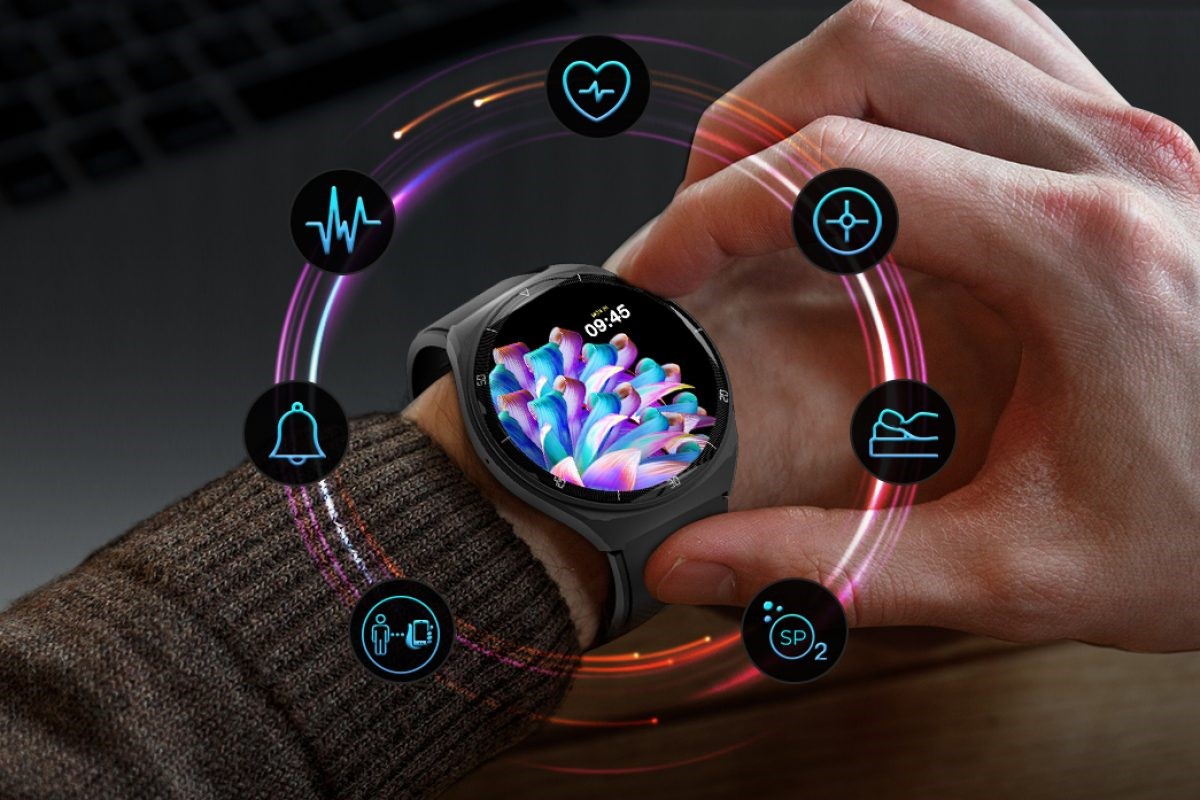
Sensors define what a wearable can measure—and how reliably. Core components include optical heart-rate sensors for continuous monitoring, accelerometer and gyroscope for movement and gesture detection, and GPS for pace and route tracking. Some models add altimeter for elevation, SpO2 for blood oxygen estimates, skin temperature trends, and even ECG functionality for rhythm assessments. Look for strong sensor accuracy, consistent measurements at rest and during high-intensity movement, and algorithms that handle diverse skin tones, tattoos, and sweat. Placement and fit affect readings, so a snug, comfortable strap is essential. Consider how the device translates raw data into meaningful health insights like VO2 max estimates, sleep stages, stress indicators, and recovery suggestions. Check whether metrics are validated, how often they update, and whether you can calibrate pace or stride. Serious athletes may want multi-band satellite support and training load analysis, while lifestyle users may prioritize effortless sleep tracking and clear, actionable wellness summaries.
Battery Life and Charging
Strong battery life shapes how you use a wearable. Trackers often last longer due to smaller screens and simpler systems, while smartwatches trade runtime for rich features. Evaluate how GPS, music playback, SpO2 sampling, and always-on display settings impact endurance. If you train daily with navigation, prioritize efficient location tracking and power-saving modes that still preserve accuracy. Consider charging convenience: magnetic pucks, pogo pins, or wireless bases each have pros and cons. Fast top-ups help when you forget to charge before a run or overnight. Look at charge time, cable durability, and how many days you realistically get per cycle with your settings. Nightly sleep tracking demands a quick evening or morning boost, so a short, reliable charge window can be decisive. Battery health over time matters too; software that optimizes charging and lets you dial in sampling frequencies can extend longevity. Choose a device that aligns with your routine, not the other way around.
Software, Apps, and Ecosystem
A wearable's power depends on its software and ecosystem. Start with compatibility across phones and operating systems, then explore the companion app for dashboards, trends, and coaching. Look for clear visualizations, thoughtful goal setting, and customizable alerts. If you rely on other services, check third-party integrations for workouts, nutrition logs, and cloud backups, plus data export options in open formats. For smart features, evaluate notifications, quick replies, voice assistant performance, contactless payments, calendar sync, and offline music support. Consider the update cadence, new feature rollouts, and whether premium subscriptions lock key analytics. Beware ecosystem lock-in: accessories, app stores, and health platforms can make switching harder later. Accessibility matters—font sizing, haptics, color contrast, and left/right wrist orientation. Finally, assess stability and responsiveness; smooth animations, reliable syncing, and low-friction setup make daily use delightful, ensuring you actually engage with the insights your wearable collects.
Comfort, Design, and Durability
Daily wearability hinges on comfort and practical design. Prioritize a size and weight that fit your wrist without pinching or sliding, and choose materials that feel good for workouts and sleep. Swappable bands expand versatility; look for secure clasps, hypoallergenic options, and breathable sport straps. Display durability counts: reinforced glass, protective bezels, and quality coatings resist scratches and smudges. Assess brightness and contrast for outdoor visibility, and whether touch responses remain accurate with sweat or rain. Credible water resistance and dust resistance matter for pools, showers, or rugged trails; confirm that buttons and speakers are sealed appropriately. Strong haptics offer discreet cues without being jarring, while well-tuned speakers and mics improve calls and voice features. Consider how the device sits under sleeves, how easily you can wipe it clean, and whether charging contacts stay debris-free. A wearable that looks good and feels invisible will see the most consistent, meaningful use across work, training, and rest.
Data Privacy and Security
Health data is sensitive, so weigh privacy and security as heavily as features. Review permissions the app requests and whether you can selectively disable tracking. Favor devices supporting encryption in transit and at rest, plus on-device processing for certain metrics to reduce cloud exposure. Strong two-factor authentication and passcode or biometric locks on the watch protect notifications and payments. Examine data retention policies, anonymization practices, and clear sharing controls for coaches, friends, or third-party apps. Transparency matters: look for readable policies, in-app privacy dashboards, and the ability to delete your data and account easily. Consider whether you can export your records without a subscription and whether integrations require broad access. If you use location features, verify how long routes are stored and who can view them. A responsible approach to data stewardship ensures your wellness journey remains yours, letting you benefit from insights without compromising your digital footprint.
Value, Pricing, and Buying Tips
Great value comes from aligning budget with the features you'll actually use. Prioritize must-haves—like GPS, sleep tracking, notifications, or contactless payments—and avoid paying for extras that won't stick. Consider future-proofing through regular updates, replaceable bands, and healthy app ecosystems. Check warranty coverage, repair options, and accessory costs to gauge total cost of ownership. Try devices on when possible; comfort, readability, and haptics are personal. If shopping online, confirm the return policy and test during the window. Don't overlook refurbished or previous-generation models for savings without sacrificing essentials. Compare how brands treat long-term support and battery replacements, and look at resale value if you like to upgrade periodically. Finally, define success: better sleep consistency, improved cardio fitness, or reduced screen time. A wearable that delivers clear, motivating feedback on those goals is the right purchase—no matter how many headline features it totes.