Travel Photography Tips for Picture-Perfect Memories
Make your travel photos unforgettable with smart planning, thoughtful composition, and easy pro tricks—whatever camera you carry.
Pack Smart and Plan for Light
Thoughtful preparation sets the stage for picture-perfect travel photography. Start by defining your goals: sweeping landscapes, bustling street scenes, or intimate portraits. Pack only what supports those aims. A lightweight kit encourages spontaneity: a versatile zoom or prime lens, a compact travel tripod, extra batteries, and ample memory. If you prefer a smartphone, add a small clamp and mini tripod for stability. Research your destinations for best vantage points, local customs, and safe shooting locations. Build your schedule around the golden hour and blue hour, when soft, angled light adds depth and warmth. Midday sun is harsher, so plan indoor stops or shaded streets then. Keep a microfiber cloth for sudden weather changes, and store gear in a discreet, comfortable bag. Create a simple shot list—landmarks, markets, waterfronts, and hidden alleys—while staying open to surprises. Preparation does not stifle creativity; it frees you to react quickly, explore confidently, and translate travel moments into timeless images.
Compose with Intention
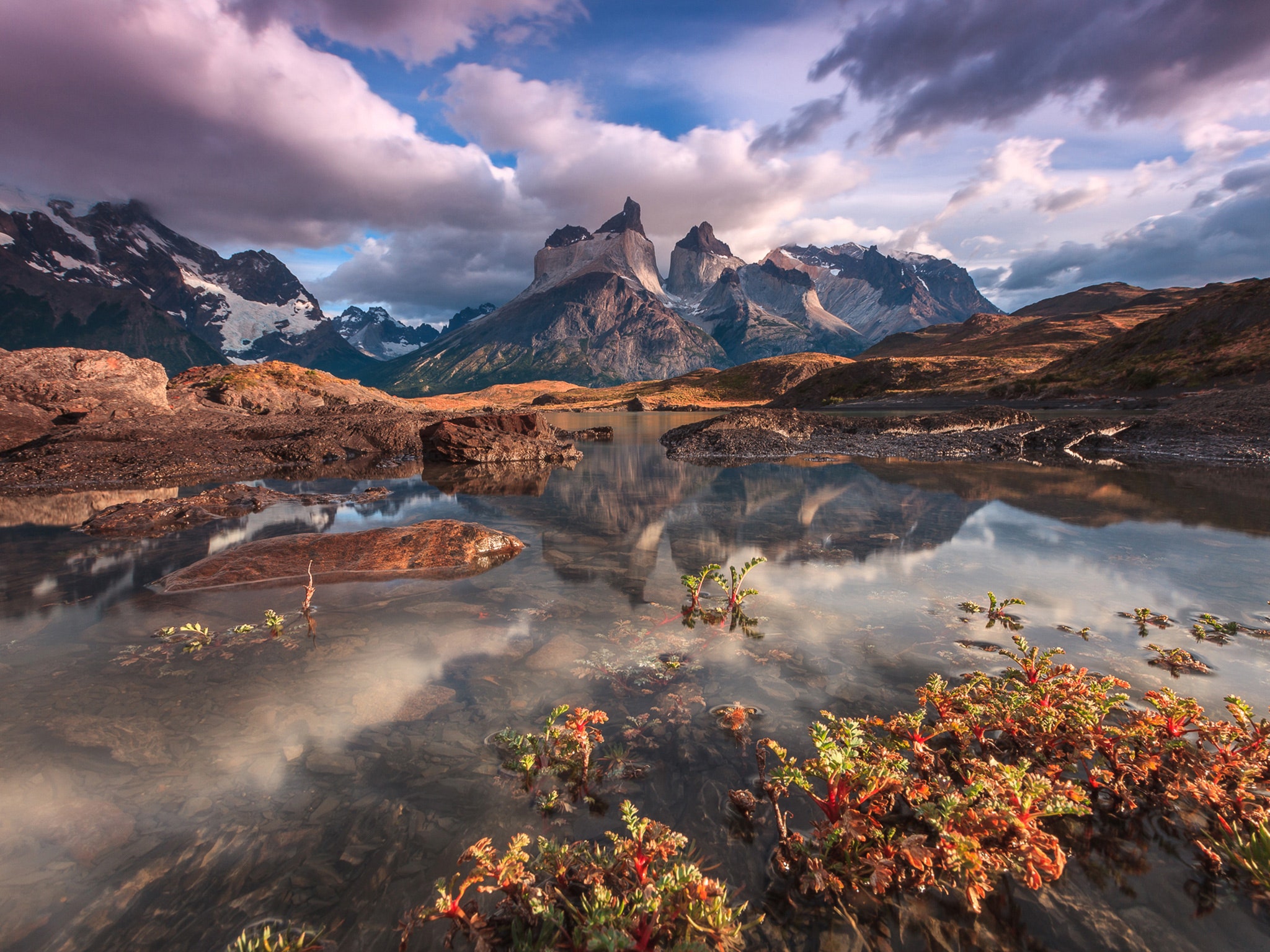
Composition transforms snapshots into compelling stories. Begin with the rule of thirds: place horizons or subjects along grid lines to create balance. Use leading lines—roads, rivers, railings—to guide the viewer's eye, and remember to include a foreground element for depth in grand vistas. Seek frames within frames like arches, doorways, or foliage to isolate your subject and add context. Experiment with negative space to emphasize scale, and keep horizons straight for a polished look. Look for patterns and symmetry in architecture, markets, and nature, then break symmetry with a single subject to add tension. Change your height and angle: crouch for dramatic foregrounds or elevate for layered scenes. When photographing busy streets, simplify by waiting for a clean moment or a standout color to anchor the image. Intentional composition is less about rules and more about making deliberate choices that highlight your subject, mood, and narrative with clarity and visual impact.
Master Light and Color on the Road
Light is the language of photography, and learning to read it brings travel scenes to life. During golden hour, sidelight sculpts textures in cobblestones and mountain ridges, while blue hour adds calm hues to cityscapes and water. In harsh midday light, create your own diffused light by moving into shade or using a hat or hand to block glare on lenses. Try backlighting for glowing edges and silhouettes; expose for the highlights to preserve detail, then recover shadows when editing if your device's dynamic range allows. Adjust white balance to honor local color palettes—warm for desert towns, cooler for misty forests—so scenes feel authentic. Use reflections from windows, puddles, and polished stone to multiply light and tell layered stories. Train your eye to notice color relationships: complementary hues that pop, monochromes that soothe, and a single bold accent in a neutral setting. When light and color harmonize, your images convey atmosphere, depth, and emotional resonance.
Capture People and Culture with Respect
Photographing people is a chance to honor culture, not just collect images. Approach with empathy: a smile, a greeting, and clear consent go a long way. When possible, create environmental portraits that include tools, textures, or signage to show context and daily life. Pay attention to posture and hands—often the most expressive details—and look for authentic gestures rather than staged poses. Blend into the flow of a market or plaza, anticipating interactions and using storytelling sequences: establishing scene, character, and moment. If language is a barrier, body language and a quick preview of the image help build trust. Respect private spaces and religious sites, and avoid interrupting meaningful rituals. Use shallow depth of field to separate subjects from busy backgrounds, or step back for wider frames that connect individuals with their surroundings. Capture both emotion and setting so viewers sense the rhythm of place. Ethical photography creates images that feel genuine, collaborative, and worthy of sharing.
Work Fast, Stay Steady, and Experiment
Travel moves quickly, so refine a nimble shooting workflow. Pre-set a versatile exposure mode, keep burst mode ready for fleeting action, and assign custom buttons for ISO, focus area, or exposure compensation. Stabilize with a travel tripod, but also master hand-held techniques: brace elbows to your body, use walls or railings, and exhale slowly as you press the shutter. Explore panning for motion blur that conveys speed, or a faster shutter to freeze street performers and wildlife. Try panoramas for sweeping views, and bracket exposures in high-contrast scenes for easy blending later. Seek reflections in bus windows, café glass, and calm water to craft double-layer stories. Keep batteries topped up and cards organized; back up files during breaks to avoid end-of-day fatigue. Experiment with minimal gear challenges—one lens, one focal length—to sharpen your eye. Agility, curiosity, and steady technique turn chaotic itineraries into cohesive visual narratives.
Edit Thoughtfully and Protect Your Memories
Editing is where intention meets polish. Begin with culling: keep only images that serve your story, removing near-duplicates and weak frames. Organize by location, theme, or mood so your library remains searchable and inspiring. Apply light-touch adjustments first—crop, straighten, and correct exposure—then refine contrast, highlights, and shadows for shape and depth. Use vibrance to enrich color without oversaturation, and apply noise reduction sparingly to preserve detail. Maintain a consistent style across a series with subtle presets or shared settings, but let each image breathe. Export high-resolution files for prints and optimized versions for mobile use. Protect your work with reliable backups: keep primary files on your device, a duplicate on portable storage, and a third copy in a separate, safe location. Thoughtful post-processing and a dependable workflow ensure your travel photographs endure as vivid, organized, and shareable memories that stand the test of time.