Thrift and Secondhand Wins: How to Shop Pre-Loved Like a Pro
Save money, score unique style, and shop sustainably with pro-level thrift tactics for stores and online—from smart scanning to care and negotiation.
Mindset Before the Hunt — Shopping pre-loved starts with a clear intention and a calm, curious mindset. Define a focused wish list, set a realistic budget, and commit to quality over quantity. Think in terms of cost-per-wear and choose timeless silhouettes that complement your lifestyle instead of chasing every novelty. Before you browse, audit your closet to spot gaps, preferred colors, and go-to fabrics; this primes you to identify true upgrades, not duplicates. Learn to prioritize natural fibers like wool, linen, cotton, and silk for durability and comfort, while staying open to sturdy blends that earn their keep. Embrace patience—pre-loved shopping rewards those who return often and refine their eye for texture, drape, and finishing. Visualize how pieces mix into outfits you already own, and consider footwear, bags, and outerwear that anchor multiple looks. By centering sustainability, personal style, and smart spending, you'll build a wardrobe that feels intentional, unique, and far more resilient than fast buys that fade quickly from rotation.
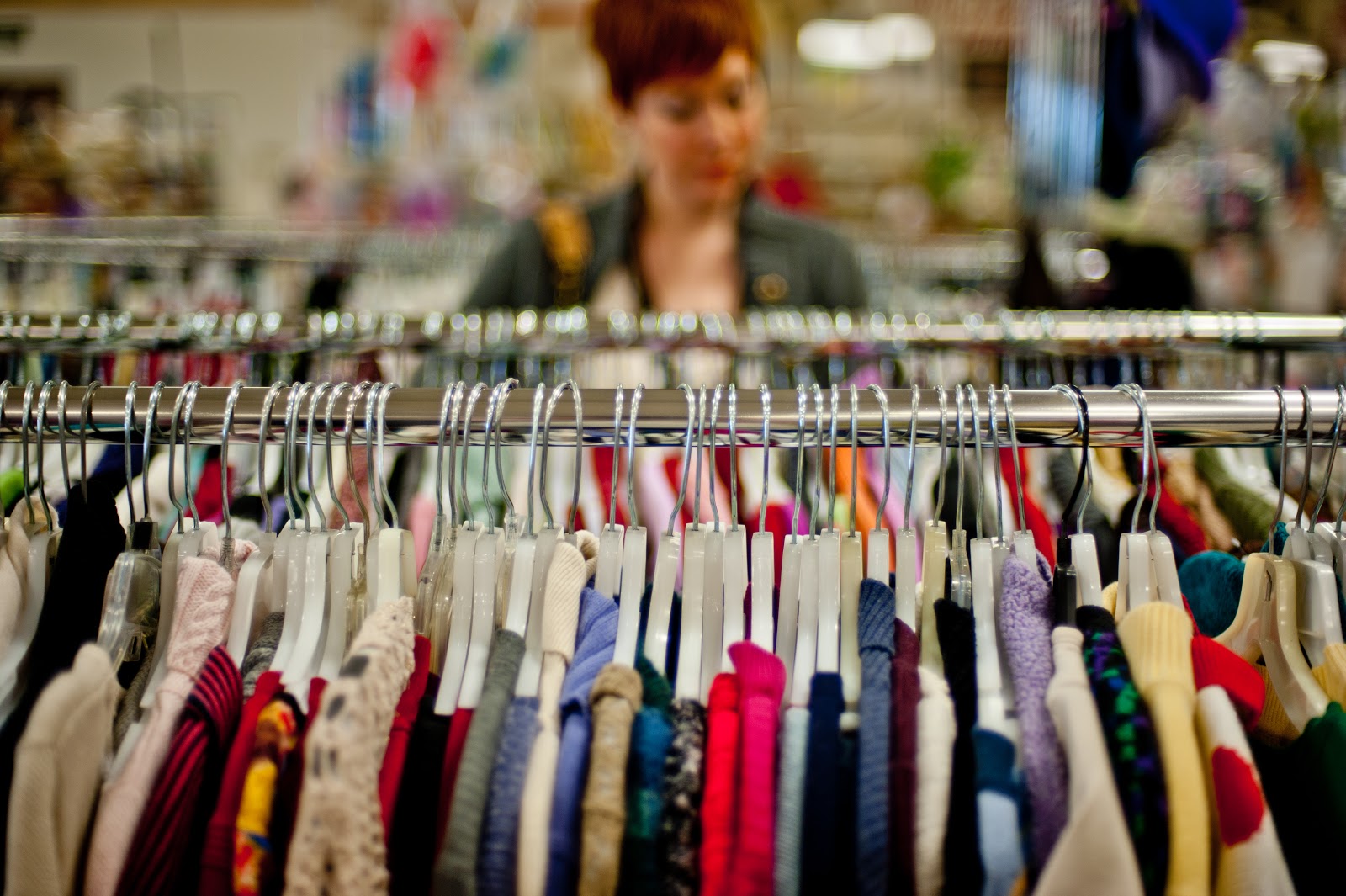
Where to Look, How to Search — Diversify your hunting grounds to maximize finds and value. Explore thrift stores for serendipitous scores, consignment shops for curated labels, charity shops for bargains, and vetted online marketplaces for targeted searches. Start with focused keywords (think fabric, cut, and color), then refine with filters like size, material, and condition. Save searches for frequent needs—say a linen blazer or sturdy boots—and revisit regularly. In person, scan racks by fabric first; your fingers can spot quality faster than your eyes. Check specialized sections for outerwear, denim, or athletic pieces, and don't overlook tailor or clearance racks where overlooked gems hide. When shopping online, compare seller photos, request measurements, and ask clarifying questions about fit, fabric content, and wear. Build relationships with store staff or trusted sellers; a friendly rapport often means early tips on new arrivals. Consistency, specificity, and curiosity will elevate your shopping from casual browsing to pro-level discovery.
Quality, Fabric, and Authenticity Checks — Train your eye to spot construction cues quickly. Inspect seams, look for tight, even stitching, and tug gently at buttons and hardware for sturdiness. Evaluate lining and interfacing in tailored pieces; quality linings hang smoothly and support the garment's shape. Read fabric content tags and trust your touch: wool should feel springy, silk fluid, linen crisp yet breathable, and denim dense with integrity. Scan for pilling, snags, moth holes, stains, and underarm wear; minor issues are fixable, but structural damage can be costly. Pattern-heavy items should have decent pattern matching at seams. For bags and shoes, check edge paint, corners, and soles; weighty zippers and genuine leather often indicate longevity. Practice basic authentication: consistent fonts, clean logo embossing, precise stitching, and sensible materials are hallmarks of the real thing. If the branding looks sloppy or the price is wildly out of sync with condition and make, consider it a red flag. Let materials, workmanship, and plausibility guide your call.
Fit, Measurements, and Alterations — Fit is king in secondhand shopping, and numbers beat guesswork. Keep your body measurements handy and compare them to garment measurements whenever possible. For jackets, note shoulder width, chest, and sleeve length; for trousers, verify waist, rise, thigh, and inseam; for dresses and skirts, check bust, waist, hip, and length. If you shop in person, move naturally—reach, sit, and walk—to assess ease and mobility. Small tweaks like hemming, taking in the waist, or replacing buttons fall under affordable tailoring; major recuts or complex fabric repairs may not be worth it. Examine original seam allowances to see whether let-outs are possible, and look for signs of prior alterations that could limit future changes. With shoes, check insole support and outsole wear; with knits, ensure shoulders haven't stretched beyond recovery. For online buys, ask for flat measurements and photos from multiple angles, and confirm the return policy so you can pivot if the fit misses the mark.
Care, Price, and Long-Game Strategy — Extend the life of your finds with thoughtful care and smart pricing. Start with gentle cleaning: air items out, use a delicate detergent, and consider a mesh bag for knits. Refresh wool with steaming, remove fuzz with a de-pilling comb, and spot-treat stains promptly. Condition leather and store structured pieces with proper support to preserve shape. When negotiating, be respectful: reference condition, fabric quality, and comparables, and try bundling to unlock savings. Know your ceiling before you offer, and be willing to walk away if the math doesn't align with cost-per-wear. Track what you actually reach for; this informs future targets and helps you avoid duplicates. If an item doesn't work out, resell or donate to keep your closet lean and your resale value circulating. Over time, a steady habit of maintenance, mindful shopping, and strategic editing creates a wardrobe that pays you back in versatility, confidence, and savings.