Returns and Exchanges: Make Store Policies Work for You
Turn store return and exchange policies into an advantage. Learn key rules, timelines, and scripts to secure refunds or swaps with minimal hassle.
Understanding Retailer Policies: Before you buy, learn the store's rules for getting your money or value back. Every retailer frames its return window, acceptable conditions, and exchange options differently. Some offer full refunds, others exchange-only, and a few label items final sale. Pay attention to triggers like opened packaging, missing tags, or signs of wear; these can lead to restocking fees or denials. Certain categories — electronics, intimate apparel, customized goods, perishables, and clearance items — often carry stricter terms or outright exclusions. Note whether the policy requires proof of purchase, original payment method, or government ID, and whether refunds for gifts default to store credit. Policies can also differ between online and in‑store channels, or between marketplace sellers and first‑party listings. The smartest habit is to read the policy page before checkout, scan for exceptions, and save a quick screenshot or note. With a clear grasp of the fine print, you can shop confidently, choose flexible options when it matters, and avoid costly surprises.
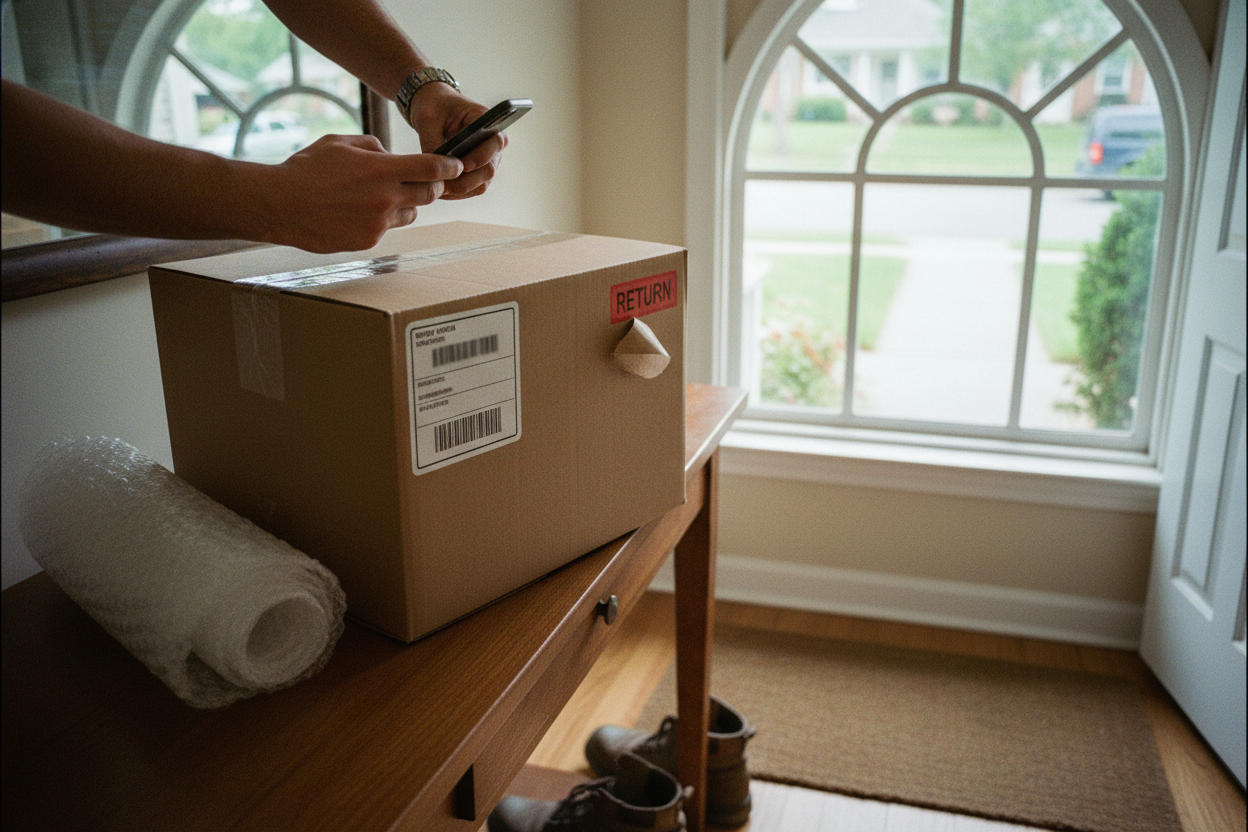
Mastering Proof and Packaging: Your best ally in a smooth return is airtight proof of purchase and intact original packaging. Save e‑receipts, order confirmations, barcodes, and return barcodes in a dedicated email folder or wallet app. If you shop with a loyalty account, your history may back you up even if you misplace a paper receipt. For gifts, a gift receipt protects the recipient's options. As a fallback, a redacted bank statement can sometimes verify payment. Preserve tags, manuals, accessories, freebies, and hygiene seals; many retailers require every component back or will deduct the value. Before packing, take clear, timestamped photos showing condition, serial numbers, and included parts. Build a tiny returns kit at home with resealable bags, tape, and a spot to stash packing slips. Many stores support QR code drop‑offs and label‑free returns; if you must print a label, avoid covering any barcodes. Add the RMA number inside the box, cushion items well, and keep the drop‑off receipt.
Refunds, Credits, and Exchanges: Understand how value flows back to you. Refunds typically go to the original payment method, while gifts often return as store credit. Processing times vary by bank, and some retailers subtract return shipping or restocking fees from your refund. Bundles, sets, and promotions can complicate math: returning one piece of a buy more, save more deal may trigger prorated pricing, while free gifts may need to go back or be charged at their standalone value. Coupon discounts are usually rebalanced on the remaining items. When flexibility beats cash, ask for store credit or an even exchange to preserve promotional value and avoid recalculations. If an item is defective, politely request waived fees and free return shipping. Clarify whether refunds include taxes and any environmental or recycling fees. Keep expectations realistic about timing, but track progress; if a refund stalls, provide your tracking, drop‑off receipt, and photos to speed resolution.
Online vs In‑Store Returns: Each path has tradeoffs. Online returns are convenient, often with portal‑generated RMA numbers, label‑free QR drop‑offs, or pick‑ups. Deadlines may start at delivery, shipment, or pickup notification, so note your timestamps. Photograph items before sealing the box, weigh and measure packages to avoid dimensional surcharges, and use trackable shipping when the retailer does not provide a label. Consolidate multiple returns to eligible locations and keep tracking until funds post. In‑store returns deliver immediacy: staff can verify condition on the spot, suggest better fits, process exchanges, and issue instant store credit. Check whether marketplace orders qualify for store counter returns; some must go by mail. To save time, visit during off‑peak hours, bring the item, packing slip, original card, and ID, and have the return barcode ready. If inventory allows, try on or test alternatives right there, so you walk out with a solution rather than starting a new order.
Smart Strategies and Etiquette: Make policies work for you by shopping with intention and returning with care. Use sizing charts, product reviews, and retailer fit guides to cut down on bracketing, then test items quickly so you stay inside the return window. Keep a simple returns calendar and set reminders for deadlines and drop‑offs. Store purchases in a clean, smoke‑free area until you decide, and avoid removing tags or accessories prematurely. When you need help, approach support with concise facts, photos, and order numbers, and save chat transcripts or emails. Polite persistence beats confrontation; if needed, escalate respectfully to a supervisor and propose reasonable compromises such as an exchange or partial credit. Join loyalty programs that offer extended windows, free return shipping, or elite counters. If a policy is too rigid, weigh alternatives like warranty claims, repair, donation, or resale. Over time, track your own patterns to choose merchants and methods that consistently fit, feel right, and refund fast.