Online vs In-Store: Choosing the Best Way to Buy
Weigh convenience, cost, and confidence. Learn when online or in‑store shopping wins, plus smart tips to save time, money, and frustration.
Convenience and Time
Choosing between online and in-store shopping often starts with convenience. Buying online can compress errands into a few decisive clicks, offering 24 or 7 access, quick reorders, and saved preferences that reduce friction. It shines when your schedule is tight or when a store is far away, and it is particularly useful for routine items like household supplies or staples you already know and trust. In-store shopping counters with instant gratification: you can walk out with your purchase, skip delivery waits, and avoid missed package hassles. However, it may involve travel time, parking, and lines, which add hidden costs in minutes and energy. Hybrid options bridge the gap: curbside pickup and buy online, pick up in store preserve the speed of digital checkout while giving you control over timing. Weigh how much your day is worth, how urgently you need the item, and whether a quick in-person stop or a scheduled delivery best fits your routine.
Experience and Confidence
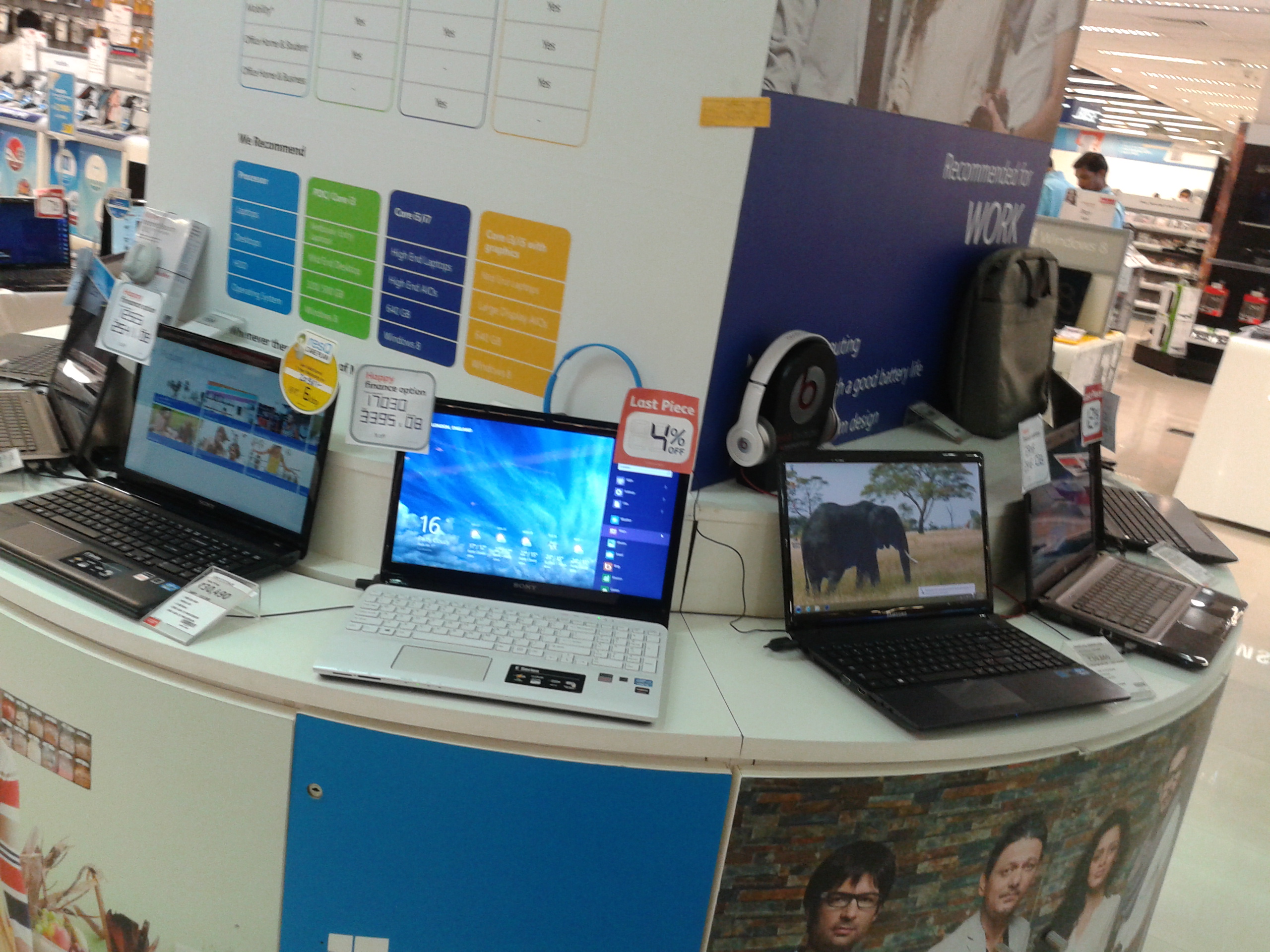
When touch, fit, and feel matter, in-store shopping builds confidence that online listings may struggle to match. You can try on clothing, gauge fabric quality, test electronics for sound and responsiveness, or sit on a chair to assess comfort and scale. Associates can offer personalized guidance, suggest alternatives, and demonstrate features you might overlook on a product page. Online channels respond with rich photos, videos, reviews, virtual try-ons, and size guides, which help but still rely on interpretation. For color accuracy, textures, and nuanced performance, in-person trials reduce the risk of disappointment and returns. For items like perfumes, mattresses, or tailored footwear, a store visit can save time in the long run. Conversely, for standardized items with clear specifications, online confidence rises. Your comfort with uncertainty matters: if you value sensory proof, stores lead; if you prioritize research depth and broad opinion sampling, online resources can deliver strong decision support.
Pricing and Value
Online shopping often excels at price transparency. You can compare retailers in seconds, stack promo codes, and set alerts to catch dips, making it easier to optimize for total value. Yet watch for shipping costs, restocking fees, and memberships that shift the true price. In-store shopping can surface unadvertised discounts, open-box values, or clearance racks you would not see online. Sometimes you can negotiate on high-ticket items or bundle accessories for better overall savings. Think beyond sticker price. Consider time costs, fuel, parking, packaging disposal, and the cost of delayed use if shipping is slow. Factor in loyalty rewards and return costs; a free online return can protect your budget, while a strict policy can erode it. For commodities, online price engines are strong. For complex purchases, a knowledgeable associate can steer you to the right model, avoiding costly misbuys. The best value often comes from smart channel mixing and calculating the full ownership picture.
Selection and Availability
If you crave breadth of selection, online marketplaces usually win with vast catalogs, niche options, rare sizes, and custom configurations. You can filter by feature, compare across brands, and discover specialty products that a local store may never stock. However, this abundance can bring choice overload, backorders, or long lead times for custom items. Physical stores narrow the field to curated assortments that you can inspect immediately, reducing decision fatigue and revealing quality differences at a glance. Inventory realities matter: stores may face stockouts during busy periods, while online warehouses might ship from distant locations with unpredictable delivery windows. Consider delivery promises, pickup slots, and alternatives if your first choice is unavailable. A hybrid strategy helps: reserve in-store pickup to lock in availability, or check nearby branches through inventory tools before you go. Match your needs to the channel: broad discovery online, quick fulfillment in-store, and flexible backup plans when timing is critical.
Returns, Support, and Risk
The return journey can make or break a shopping choice. Online returns can be frictionless with printable labels, drop-off points, and quick refund processing, but they may require repackaging, tracking, and waiting. Some categories carry restocking fees or stricter return windows, so always read the policy. In-store returns often feel immediate: you can explain an issue, get an on-the-spot exchange, or secure a faster resolution if you bring the item and receipt. For post-purchase support, a local store can assist with setups, fitting adjustments, or minor repairs, while online channels may excel at asynchronous help, detailed FAQs, and shipment tracking. Consider warranty handling, replacement timelines, and who pays for return shipping. High-risk items with uncertain fit or complex installation may be safer with strong, nearby support. If speed to resolution is vital or you dislike logistics, stores offer comfort. If you value paperless processes, online pathways can be more streamlined.
Sustainability and Community Impact
Sustainability considerations influence where you spend. Online orders can consolidate batch deliveries, potentially lowering emissions per item, but they often involve packaging waste and extra trips if returns are frequent. In-store shopping can reduce packaging and enables walking or public transit, yet multiple small car trips may offset those gains. Look for eco-friendly packaging, local fulfillment, or pickup options that minimize extra miles. Community impact matters too. Buying from local stores supports neighborhood jobs, keeps expertise available, and fosters a healthy retail mix. Online retailers may offer stronger supply chain transparency and wide access to ethical brands, helping you align purchases with your values. Consider the return loop, as reverse logistics carries a footprint. The most sustainable path often blends channels: research online to choose correctly the first time, then buy in a way that avoids unnecessary shipping, overordering, or repeated travel. Thoughtful planning reduces waste while still delivering value.
A Practical Framework to Choose
Create a simple decision framework. Start with product type: for commodities and refills, online automation and subscriptions save time; for fit-dependent items like shoes or tailored garments, try in store or combine with generous online return policies; for high-ticket goods, demo in person, then compare online for price and bundles. Next, weigh urgency: if you need it now, local wins; if timing is flexible, online choice broadens. Review budget and total cost, including shipping, travel, and returns. Consider support needs: do you expect setup, repairs, or training. Evaluate privacy and security comfort, especially for payment methods and delivery preferences. Finally, embrace channel pairing: research online, verify availability, and use buy online, pick up in store to lock price and speed; or test in store, then order the exact color or size online. The best choice is not either or; it is the smart blend that fits your priorities.