Maintenance Checklist for Long-Lasting Motors
Extend motor life with a practical maintenance checklist covering lubrication, alignment, electrical tests, cooling, and safety-focused routines.
Visual Inspection Basics: Begin every maintenance cycle with a slow, methodical walkaround. Look for loose fasteners, missing guards, and worn mounting hardware that can transmit harmful vibration. Check for oil or grease leaks at shaft seals, housings, and couplings, because seepage invites contamination and accelerates wear. Inspect wiring, conduit, and junction boxes for abrasion, discoloration, or brittle insulation. Confirm that nameplates are legible and that cooling fins and ventilation paths are free of dust and debris. Examine couplings, belts, and sheaves for cracks, misalignment, or glazing, and confirm that belt guards are secured after any inspection. Assess foundation bolts and baseplates for corrosion and soft foot conditions. Keep a consistent checklist and photo log to catch small changes before they become failures. Always de-energize and verify isolation before opening enclosures. A disciplined visual review, repeated on a steady cadence, gives you the earliest possible warning of overheating, imbalance, or misalignment, and it sets the stage for deeper testing that extends motor life.
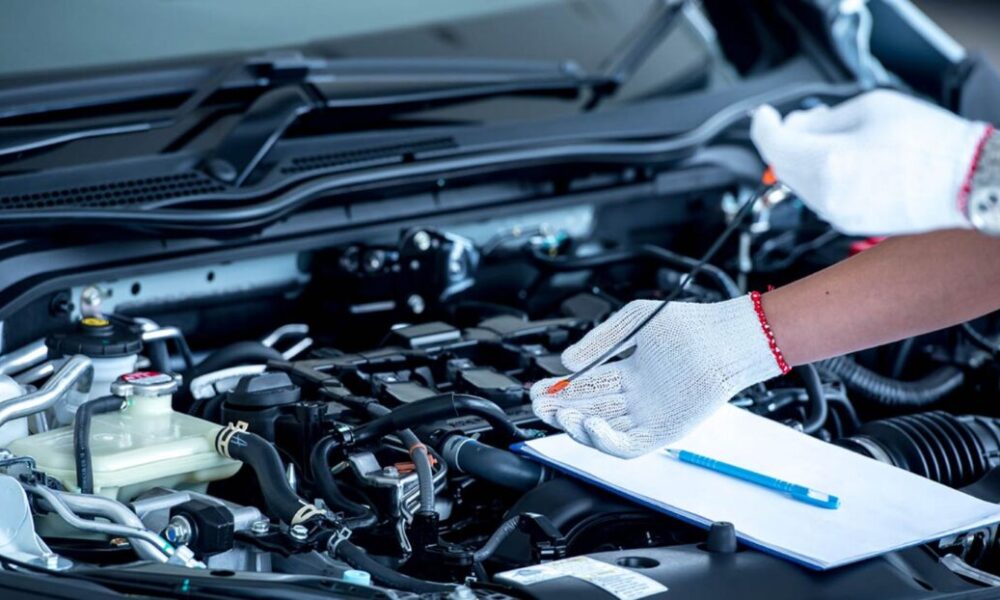
Lubrication and Bearings: Reliable bearings depend on the right lubrication, delivered in the right amount, at the right time. Match grease or oil to the motor and speed class, and avoid mixing incompatible base oils or thickeners. Clean fittings and purge lines before adding grease to keep grit out of races. Over-lubrication can build pressure, blow seals, and elevate temperature, while under-lubrication invites metal-to-metal contact and spalling. Use measured quantities, not guesswork, and document intervals so you can adjust based on operating hours, temperature, and environment. Inspect seals, breathers, and sight glasses; cloudy oil, metal flecks, or milky appearance signal moisture or wear. Track bearing noise and temperature trends with a handheld thermometer or acoustic tool; a rising trend often precedes failure. Store lubricants sealed, labeled, and away from heat to prevent oxidation. Thoughtful contamination control, careful application, and consistent trend data will keep bearings smooth and extend overall motor reliability.
Electrical Health Checks: Sound electrical health starts with clean, tight connections and solid grounding. Inspect terminals for discoloration, pitting, or looseness, and torque lugs to specification to prevent hot spots. Trend insulation resistance with a calibrated megohmmeter; watch for downward movement over time that hints at moisture ingress or winding deterioration. Compare winding resistance phase to phase to spot imbalances that can drive uneven heating. Measure supply voltage balance and verify conductors are sized and routed to minimize drops and noise. If the motor uses a variable frequency drive, check for proper cable shielding, grounding, and settings that avoid excessive dv dt stress; consider appropriate filtering where needed. Inspect overload protection, thermal sensors, and control logic for correct coordination so faults trip safely without nuisance shutdowns. Keep enclosures clean and dry to deter tracking and corona. Document readings in a simple trend chart; the absolute numbers matter less than observing change. Proactive electrical testing catches invisible degradation long before it becomes a catastrophic fault.
Alignment, Balance, and Vibration: Misalignment and poor balance are silent killers that manifest as vibration, heat, and premature bearing wear. Verify shaft alignment after installation, after moving equipment, and whenever couplings or belts are replaced. Use feeler gauges, dial indicators, or laser tools to measure angularity and offset, then correct both vertical and horizontal planes. Inspect couplings for wear, hardening, or cracked elements, and confirm hubs are properly seated. For belt drives, set tension with a gauge and align sheaves to prevent side loading. Address soft foot by shimming the base until hold-down bolts pull evenly, and ensure the foundation is clean, flat, and free of rust scale. Trend vibration at consistent points and speeds, listening for increases that suggest looseness, bearing defects, or resonance. Rebalance rotating assemblies if readings persist after alignment. Small corrections compound: precise alignment, controlled tension, and stable mounting dramatically reduce mechanical stress, extend component life, and keep motors running quietly and efficiently.
Cooling, Environment, and Operations: Motors thrive when they can shed heat and breathe clean air. Keep cooling fins, air passages, and fans free of dust; clean with a dry cloth or vacuum rather than high-pressure wash that can force moisture into windings. Where filters are used, maintain them to preserve airflow. Control ambient temperature, moisture, and airborne contaminants; choose enclosures and seals appropriate to the setting, and manage condensation with heaters or periodic warm-up runs if the motor sits idle. Verify ventilation clearances around the frame and avoid storing materials against housings. Operate within load and duty limits; frequent rapid starts, long overloads, and severe cycling build heat that shortens insulation life. Calibrate overload relays, confirm thermal protection is functional, and review starts-per-hour policies. During shutdowns, rotate shafts by hand occasionally to distribute lubricant and prevent false brinelling. A stable environment and disciplined operations, backed by simple logs and trending, are the final safeguards that keep motors reliable for the long haul.