How to Build an Emergency Fund Without Feeling Deprived
Build a safety net without sacrifice: set micro-savings, automate transfers, trim painless costs, earn side cash, and celebrate milestones.
Start With a Flexible Goal
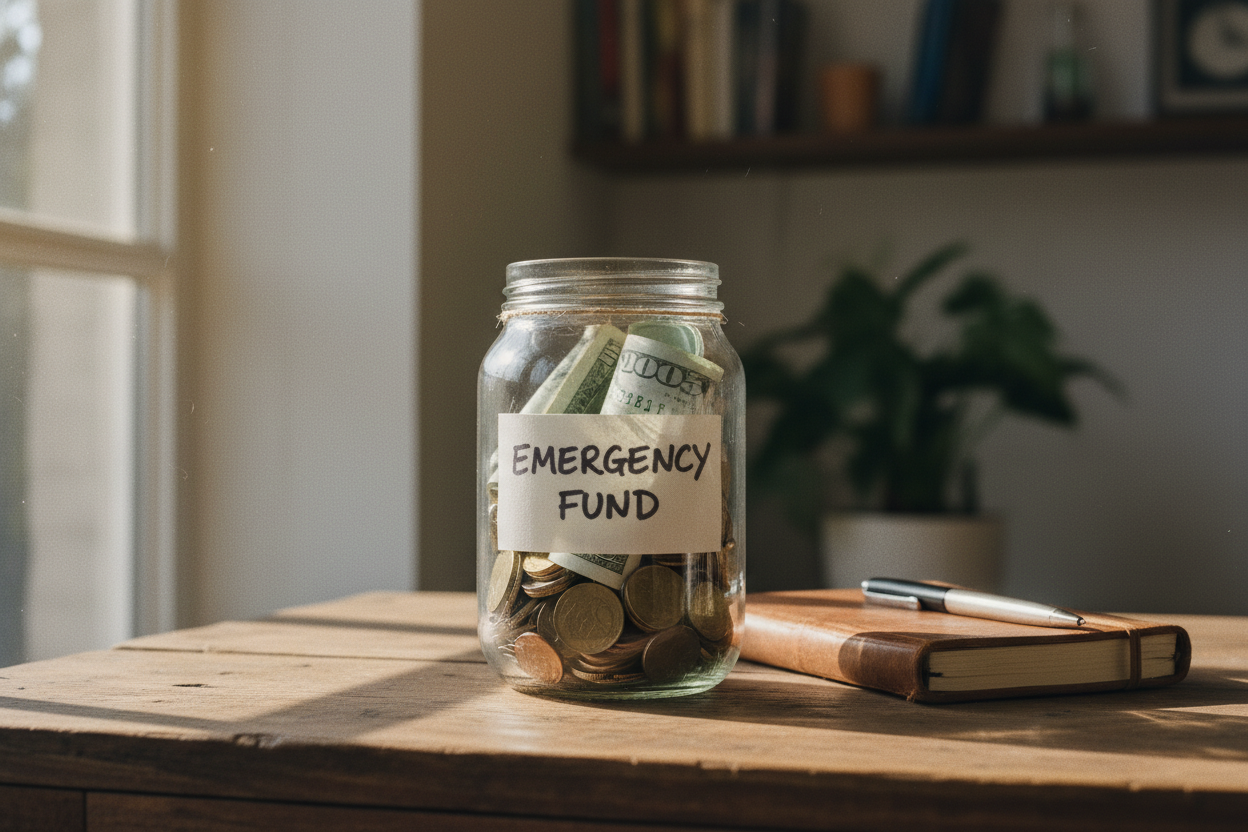
Think of your emergency fund as a safety valve, not a sacrifice. Its job is to cover essential expenses when life surprises you, so start with a starter goal that feels doable. A practical first target is one paycheck or one month of true necessities such as rent or mortgage, groceries, utilities, transportation, prescriptions, and minimum debt payments. If your income fluctuates, base your goal on an average month, or save a small percentage of each deposit to stay consistent. Treat this as a phased plan rather than an all‑or‑nothing sprint. Once you nail the first milestone, expand toward multiple months of essentials. Keep your definition of emergency clear to avoid fund drift; it is for job gaps, medical needs, urgent repairs, and unexpected bills, not vacations or gifts. By setting a flexible baseline, you create momentum, reduce anxiety, and build a system that can scale as your income grows and your responsibilities change.
Automate and Make It Invisible
The easiest way to save without feeling deprived is to pay yourself first and hide the process from daily decisions. Automate a transfer to a separate savings account on payday so money arrives before you can spend it. Even modest, consistent transfers compound into real security over time. Add micro‑savings by rounding up purchases or sweeping small end‑of‑week balances into the fund. If you receive irregular income, set a simple rule, such as saving a steady percentage of each deposit, and let automation do the heavy lifting. Increase friction on withdrawals by keeping this account out of your primary spending app or by using an institution separate from your day‑to‑day bank, so tapping it requires intention. Rename the account with a motivating phrase to keep your purpose front and center. Automation transforms willpower into a repeatable habit, giving you progress even on busy weeks when your attention is elsewhere.
Trim Fat, Not Joy
Cutting everything fun is the fastest route to burnout, so aim to optimize, not punish. Start with a quick spending audit to spot low‑joy costs: fees, forgotten subscriptions, overpriced plans, or convenience charges that no longer serve you. Keep two or three non‑negotiable pleasures, then look for painless swaps elsewhere. Negotiate service bills, buy generic for staples, compare unit prices, plan simple batch meals, and use a short cool‑off window before discretionary buys to curb impulse spending. Replace expensive habits with value equivalents you still enjoy, like hosting a game night instead of dining out, or taking a scenic walk call instead of a pricey class. Create micro‑cuts across multiple categories so no single area feels harsh. Redirect every found dollar immediately to your emergency fund so savings do not evaporate into other spending. When trimming aligns with your values, you reduce waste while preserving motivation and everyday happiness.
Boost Income the Gentle Way
If your budget is tight, small, temporary income boosts can accelerate progress without strain. Consider light, low‑friction options that fit your strengths and schedule: tutoring, freelance tasks, pet sitting, seasonal shifts, or selling unused items. Ask about reimbursements you are owed, employer benefits you have overlooked, or customer service credits on defective purchases. Funnel part of any windfalls—performance bonuses, cash gifts, refunds—into your fund while keeping a slice for fun so you do not feel deprived. Pair income sprints with a clear, time‑bound target, and celebrate when you hit it. To stay balanced, pre‑decide a split rule that directs most of the extra cash into savings while reserving a little for enjoyment. This approach builds your cushion faster, reduces stress, and keeps your lifestyle steady. Remember, even small amounts matter; a handful of focused weeks can unlock the breathing room that turns emergencies into manageable inconveniences.
Stay Motivated and Protect Momentum
Consistency beats intensity. Track progress with a simple visual meter or habit app, and schedule a short weekly money date to review balances, adjust transfers, and note wins. Keep your emergency fund distinct from sinking funds for predictable costs like car maintenance or annual premiums, so true emergencies do not compete with planned expenses. Define what qualifies as an emergency in advance and commit to replenishing the fund after any use. When income rises or a debt is paid off, redirect a portion toward your safety net to prevent lifestyle creep. Build tiny rewards into milestones—free celebrations, a favorite treat, or a relaxed evening—to reinforce the habit without undoing progress. Most of all, trust the system you designed: automatic contributions, low‑pain trims, and occasional income boosts. Over time, your emergency fund becomes a quiet backbone for your life, turning uncertainty into confidence and giving every financial decision more freedom.