High-Performance Tuning for Small Engines
Unlock power and reliability from small engines with precise carb tuning, ignition timing, intake/exhaust flow, and fuel upgrades—safely and legally.
Performance Principles for Small Engines
Small engines reward precision over brute force. The path to high-performance tuning begins with understanding volumetric efficiency, the powerband, and how torque translates into horsepower at usable rpm. You are balancing airflow, fuel delivery, ignition timing, and friction to raise BMEP without overheating or stressing components beyond their duty cycle. Start by defining a clear goal: quicker acceleration, higher top speed, stronger midrange, or improved load handling. Each outcome shapes choices in cam timing, intake design, and gearing. Build repeatable baselines by logging temperature, rpm, and response to throttle changes. Prioritize thermal management and lubrication, because durability amplifies performance gains you can actually keep. Small displacements magnify errors, so sealing integrity, gasket condition, and precise fastener torque matter. Treat every change as an experiment with one variable at a time, testing in comparable conditions. The payoff is a crisp engine that breathes freely, burns efficiently, and converts combustion pressure into forward motion with minimal waste.
Breathing Better: Intake and Exhaust Flow
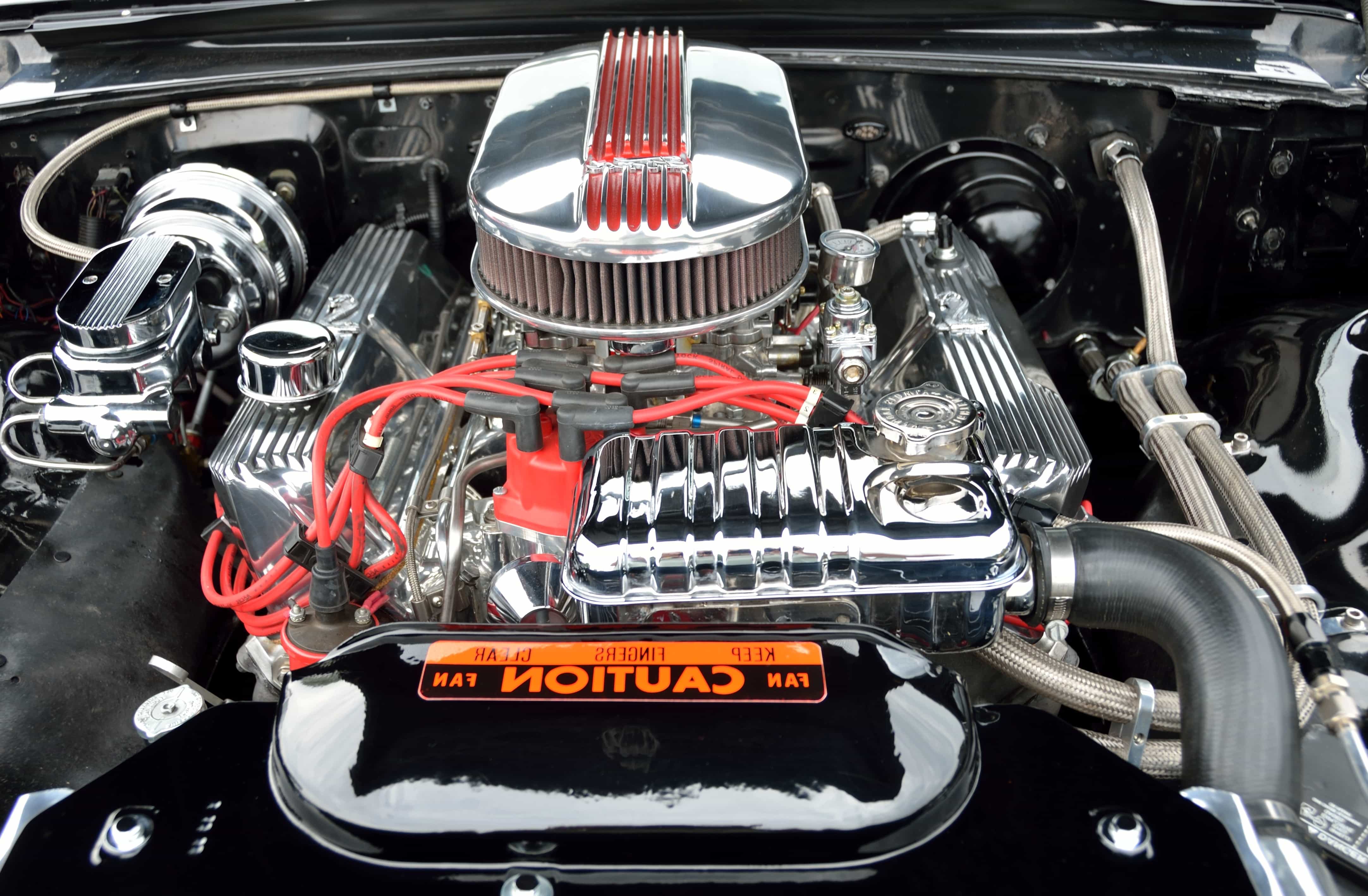
Airflow is the lifeblood of performance, and small engines are especially sensitive to intake and exhaust details. Aim for high velocity with minimal turbulence, not just larger passages. Smart port matching, careful transitions, and a gentle taper into the valve or reed improve volumetric efficiency. Avoid sharp steps that cause reversion or fuel dropout. A well-shaped bellmouth or velocity stack inside a proper airbox can stabilize flow while maintaining filtration. For four-strokes, optimize header length and diameter to harness pulse energy for scavenging without excessive backpressure. For two-strokes, an expansion chamber with correct cone angles times pressure waves that evacuate spent gases and pack the fresh charge. Keep surfaces smooth but not mirror-polished to preserve boundary behavior. Ensure consistent sealing at the manifold and exhaust flange, since leaks disrupt mixture and wave timing. Test changes with repeatable pulls, noting throttle response and plug color, and remember that more airflow only helps when fuel and ignition stay synchronized.
Fuel Delivery and Mixture Control
Power comes from precise air-fuel ratio, good atomization, and consistent delivery. On carbureted setups, start with conservative jetting, validate float height, and center the needle profile around the target throttle range. Tune the pilot circuit for crisp idle and launch, then shape midrange and main flow for sustained power. Evaluate mixture using plug reads, exhaust note, and temperature trends; tune toward safe combustion first, then chase peak output. Account for altitude compensation and ambient changes, which shift density and fuel needs. Ethanol blends alter stoichiometry and can demand larger jets and vigilant storage practices. Clean filters, fresh fuel, and unobstructed lines prevent lean surges under load. If you move to EFI, leverage closed-loop corrections, data logging, and programmable maps for repeatability. Whether carb or EFI, make one change at a time, document results, and confirm under the same load and throttle positions you actually ride or work in.
Ignition Strategy and Combustion Quality
A strong, well-timed spark transforms good mixture into real torque. Optimize ignition timing with a stable advance curve that lights the charge early enough for pressure to peak at the right crank angle, yet avoids detonation and pre-ignition. Verify base timing with a timing light, then test incremental advance at the rpm band you target. A quality CDI or module with tailored mapping can sharpen throttle response and extend the useful powerband. Choose the correct spark plug heat range to manage tip temperature and prevent fouling; set the gap to suit coil energy and mixture density. Ensure tight grounds, clean connectors, and a healthy stator or charging system to avoid misfires at high rpm. For two-strokes, combustion is rapid and timing needs are different than four-strokes; for four-strokes, chamber shape, swirl, and squish influence optimum advance. Always listen for knock, monitor temperatures, and prefer a slightly conservative setting for sustained reliability.
Compression, Internals, and Mechanical Efficiency
Raising compression ratio boosts thermal efficiency and BMEP, but it tightens the margin against detonation. You can mill the head, use thinner gaskets, or select domed pistons, then verify squish clearance and deck height to promote fast, stable combustion. Maintain proper quench to resist hot spots, and match fuel quality to the resulting pressure and temperature. When refreshing the top end, check piston rings for correct end gap to handle heat without scuffing. In valve-train tuning, additional lift or duration requires attention to valve springs for control and to cam timing with a degree wheel for repeatability. Reduce friction through careful bearing condition, correct oil viscosity, and surface finish without compromising film strength. Lightening rotating parts, including the flywheel, can improve snap but may affect idle stability and traction; balance the crank and clutch for smoothness and longevity. Every mechanical gain should be paired with increased cooling capacity, oil quality, and ongoing inspection.
Drivetrain Tuning, Testing, and Reliability
Power is only as useful as the drivetrain allows. Match gearing to the engine's powerband so acceleration and cruising fall within the strongest torque range. On CVT systems, tune variator weights and clutch engagement springs to let the engine reach its sweet spot before loading, then hold ratio as speed rises. With chain drives, align sprockets, set tension precisely, and consider modest ratio changes to keep the engine in the zone. Measure progress with a tachometer, portable dyno sessions, or consistent timed runs on comparable surfaces. Monitor EGT and CHT where applicable to guard against thermal creep. Build a maintenance rhythm: keep filters clean, verify valve lash, re-torque the head after heat cycles, and inspect plugs and boots. Store fuel thoughtfully to protect jets and injectors. Document every change, including weather and load, and iterate patiently. True high performance in the motors category means repeatable gains, predictable behavior, and reliability that endures real-world use.