Headphones vs Earbuds: Which Listening Style Fits You?
Headphones or earbuds? We weigh comfort, audio fidelity, isolation, portability, battery life, and hearing health so you can choose the best match for you.
Comfort and Fit
Choosing between headphones and earbuds begins with comfort and fit, because even the best audio gear is useless if you do not want to wear it. Over-ear headphones cradle your ears with cushioned pads and a headband that spreads weight, reducing pressure points during long sessions at a desk or on a couch. On-ear designs rest on the ear itself, trading some cushion for a lighter feel but sometimes adding clamp pressure. In-ear earbuds rely on a seal created by silicone or foam tips; with the right size, they can feel nearly weightless and stay put during a run. People sensitive to heat often prefer earbuds, while those who dislike pressure in the ear canal may lean toward headphones. Glasses wearers should check how pads interact with frames, since poor alignment can create discomfort. Try different ear tip sizes or memory-foam options to optimize stability, reduce fatigue, and improve passive isolation before you judge overall satisfaction.
Sound and Noise Control
Audio character and noise control vary meaningfully across form factors. Over-ear models often deliver a wider soundstage and more consistent bass extension, thanks to large drivers and ear-cup volume. Closed-back headphones boost isolation, while open-back versions sound spacious but leak sound. Earbuds can be surprisingly capable, particularly when the seal is strong; a weak seal reduces bass and clarity. Both categories now offer active noise cancellation (ANC), but the effectiveness depends on fit and tuning. Over-ears generally provide a calmer listening bubble in offices and on transit, whereas earbuds excel at taming low-frequency rumbles without adding much bulk. Consider transparency modes for situational awareness when walking or collaborating. Wired options still appeal to purists for low latency and consistent dynamic range, yet many wireless models use modern Bluetooth codecs to preserve detail. Regardless of style, a stable seal, proper positioning, and sensible EQ adjustments unlock the performance you actually paid for.
Portability and Everyday Use
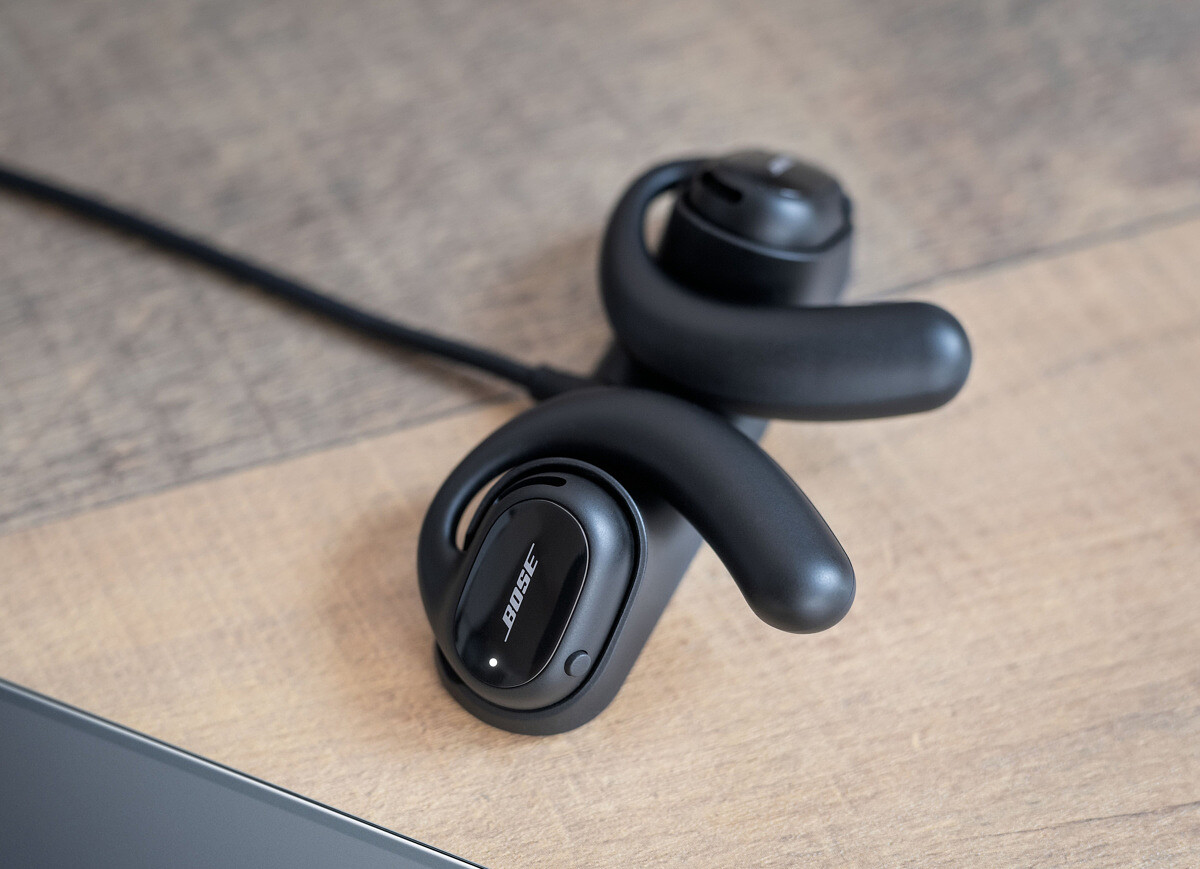
Your daily routine shapes whether portability or immersion matters more. Earbuds disappear into a pocket and the charging case extends battery life, making them ideal for quick errands, gym sessions, and flights where space is tight. Touch or physical controls enable effortless track changes and call management without fishing for a phone. Headphones take more room but bring comfort for long stretches, and many fold flat for easier packing. For remote work, over-ears often deliver stronger microphone quality with better noise rejection and sidetone, keeping your voice natural on calls. If you switch devices frequently, look for multipoint pairing to juggle a laptop and phone without menus. Gamers and video editors should prioritize low-latency modes or wired connections to keep lips and audio aligned. Commuters benefit from ANC and auto-pause sensors, while runners want secure wings or fins and at least some water resistance. Map your typical week, then match features to the places you actually listen.
Build, Care, and Longevity
Durability can be the difference between a smart buy and a short-lived splurge. Headphones include moving parts—hinges, sliders, and swivels—that should feel solid with minimal creak. Look for replaceable pads and detachable cables to extend lifespan and maintain hygiene. Earbuds battle sweat and pocket debris, so water resistance and snug seams matter, as does a sturdy case with reliable hinges and magnets. Treat both styles as precision tools: wipe pads and tips after workouts, clean ear tips and nozzles regularly, and avoid leaving devices in hot cars. Fresh ear tips restore seal and comfort, while new pads revive tone and reduce clamp fatigue. Cable strain reliefs prevent fraying, and gentle charging habits preserve battery health over time. If you value repairability, choose models with available spare parts and accessible firmware updates. A few minutes of maintenance each week helps your gear sound better, fit better, and last meaningfully longer.
Budget and Smart Buying
Value comes from aligning budget with priorities, not chasing every spec. Decide your must-haves: is it ANC, microphone performance, battery life, or pure sound quality? Entry-level earbuds can cover commuting and workouts, while midrange headphones often leap ahead in comfort and soundstage. Premium tiers add refined tuning, adaptive noise control, and richer materials. Always factor fit into cost; a perfect-sealing earbud can outperform pricier options that never sit correctly. Test for comfort with long playlists, sample genres to gauge tonal balance, and enable any fit test tools your device provides. Scan specs for weight, clamp force descriptions, codec support, and low-latency features if you watch videos or game. Plan for accessories like spare tips, replacement pads, or a travel case. Remember hearing health: better isolation means lower listening volumes and less fatigue. In the end, choose the listening style that suits your spaces, your body, and your habits—then enjoy the sound you will actually use every day.