Brushless vs Brushed Motors: Pros, Cons, and Best Uses
Explore how brushless and brushed DC motors differ in efficiency, torque, lifespan, cost, and upkeep—plus which to choose for drones, tools, and e-bikes.
Overview
When comparing brushless motors and brushed motors, you are weighing trade-offs in efficiency, control, durability, and cost. Both convert electrical energy into rotational motion, yet they differ in how they manage commutation, the process that keeps torque flowing as the rotor turns. Brushed motors use physical contacts to switch current, delivering simplicity and instant operation with minimal electronics. Brushless motors rely on electronic control to time the switching, unlocking higher performance and longer service life. Choosing between them hinges on your priorities: do you value rugged simplicity and low upfront price, or superior efficiency, quieter operation, and advanced control? Consider the duty cycle, load profile, speed range, noise limits, and how much maintenance you can tolerate. Also factor in the surrounding environment—dust, moisture, and temperature influence reliability. By understanding these foundational differences, you can align motor characteristics with real-world tasks, ensuring the right balance of performance, longevity, and total cost over the life of your application.
How They Work
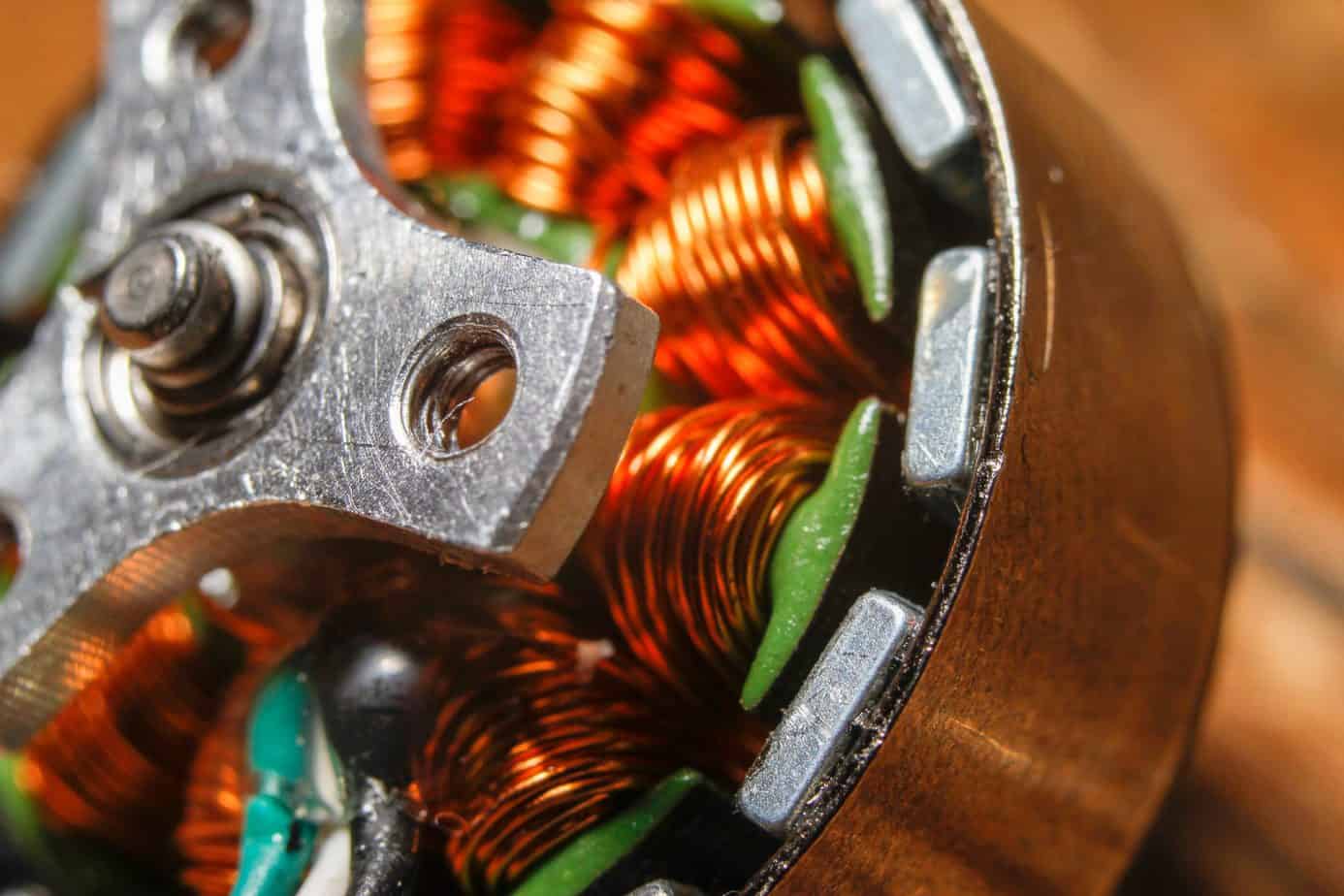
The core distinction lies in commutation. Brushed motors use brushes that press against a commutator on the rotor, mechanically switching current through rotating coils. This direct method produces immediate torque with a very simple power connection, but it introduces friction, electrical arcing, and wear. Brushless motors (often BLDC) invert this arrangement: the permanent magnets reside on the rotor while stationary stator windings are energized in sequence by an electronic speed controller. Sensing rotor position—via Hall sensors or back-EMF—the controller advances the magnetic field with precise timing. This electronic commutation minimizes friction losses, boosts efficiency, and enables sophisticated control of speed and torque. Additionally, heat is more effectively managed in brushless designs because losses occur in the stator, which is easier to cool. The trade-off is added system complexity: you need a compatible controller, correct wiring, and proper tuning to realize the technology's full benefits.
Performance & Efficiency
In pure performance terms, brushless motors shine with superior efficiency, higher power density, and accurate speed regulation across a broad range. Their reduced internal friction and optimized switching translate to less wasted heat and more usable torque per watt. This is advantageous in applications where battery life, thermal limits, or continuous operation are critical. Brushless systems also offer refined throttle response, lower electrical noise, and excellent partial-load efficiency when paired with a quality controller. Brushed motors, however, remain competitive at low speeds and for quick, uncomplicated starts. Their natural torque characteristics can feel pleasantly linear without complex tuning, and they tolerate simple voltage-based control. That said, brushes introduce voltage drop, arcing, and EMI, which reduce efficiency and can limit top-end performance. If your project demands precise control, long runtimes, or high duty cycles, brushless is the clear performer. If you need straightforward torque with minimal electronics, a brushed motor can still deliver.
Durability & Maintenance
Longevity and upkeep are defining differences. Brushed motors rely on consumable brushes that wear with use, especially under heavy loads, frequent starts, or dirty conditions that accelerate commutator erosion. Maintenance involves periodic inspection, brush replacement, cleaning carbon dust, and ensuring proper cooling. Neglect can lead to sparking, pitting, and reduced torque. Brushless motors have no brushes to replace, so routine service mainly concerns bearings, thermal management, and keeping the controller protected. Their sealed or semi-sealed designs resist dust and moisture better, improving reliability where contaminants are present. Because losses are centered in the stator, heat is easier to remove, supporting longer continuous-duty operation. However, brushless systems add electronic failure modes—overcurrent, phase imbalance, or sensor faults—so proper wiring, EMI practices, and controller calibration matter. For users valuing low-maintenance, quiet, and long-life operation, brushless is compelling. For environments where simplicity and fast field repairs are paramount, brushed still has practical advantages.
Cost & Value
From a budget perspective, brushed motors typically win on initial cost and ease of integration. They can run from a simple supply and a basic switch or relay, keeping system design minimal. This makes them appealing for short-duration tasks, prototypes, or cost-sensitive products. Brushless motors, by contrast, require an electronic speed controller, adding upfront expense and some expertise. Yet their lifecycle value often offsets this: higher efficiency reduces energy consumption, lower maintenance cuts downtime, and improved thermal performance extends component life. In high-utilization scenarios, these savings compound. Consider also the cost of control features you might need anyway—soft start, regenerative braking, closed-loop speed, or torque limiting—which brushless platforms handle elegantly. Availability and scale matter too: standard sizes, common voltages, and well-supported controllers simplify sourcing. To judge true value, tally not only purchase price but also energy, service intervals, productivity, and the risk costs of unexpected failures.
Best Uses & Selection Tips
Choose brushless motors for applications demanding long runtimes, precise speed control, high efficiency, and low noise—think ventilation, pumps, drones, robotic actuators, and premium power tools. Their stable torque, cooler operation, and smart control pay off when performance and longevity matter. Opt for brushed motors when you need rugged simplicity, quick starts, and low upfront cost—such as intermittent actuators, hobby mechanisms, simple conveyors, or budget handheld devices. To decide, clarify your duty cycle (intermittent vs. continuous), required torque-speed curve, acceptable thermal rise, control complexity, and service access. Map your power source constraints, evaluate environmental exposure, and define noise targets. If your system benefits from features like closed-loop control, regen, or precise low-speed torque, brushless integration is typically worth it. If the design must stay minimal and easily field-repairable, brushed remains a strong contender. Pilot testing under real loads is the fastest path to a confident, data-backed choice.