Beyond the Tourist Trail: Finding Authentic Experiences
Trade checklists for connection. Learn how to seek slow, local, and ethical travel that reveals the soul of a place—far from the crowds.
Rethinking the Journey
Stepping beyond the tourist trail begins with intention. Instead of chasing checklists, choose authenticity as your compass and curiosity as your pace setter. Research the everyday rhythm of a place, not only its headlines. Study neighborhood maps, markets, and transit lines, then sketch an itinerary that leaves buffer time for surprises. Trade rush for slow travel by walking, biking, or riding public transit to notice small but telling details like produce in corner shops or greetings between neighbors. Learn a handful of language basics and ask open‑ended questions that invite storytelling rather than performance. Prioritize independent cafes, family kitchens, and community spaces where conversation flows. Commit to listening more than you post, and keep a small notebook for names, phrases, and observations. This gentle, attentive stance dissolves the wall between visitor and host, turning the city into a living classroom where context matters and meaning accumulates. In time, you discover that the most vivid souvenirs are insights carried in your mind, not objects packed in a suitcase.
Practicing Cultural Humility
Authentic experiences rest on cultural humility. Approach each community as a guest who wants to learn, not an expert who wants to judge. Observe local etiquette, pace, and forms of politeness, then mirror them with care. A smile, a respectful greeting, and patient body language open doors that money cannot. Seek resident‑led activities such as home cooking lessons, neighborhood art walks, or small workshops run by artisans who explain their craft. When invited, contribute thoughtfully, whether by helping set a table, sharing a recipe from home, or offering to print and deliver a portrait you took with permission. Adopt consent‑first photography and put the camera down during moments charged with personal or spiritual meaning. Learn to interpret nonverbal cues, from how people queue to shoes left at thresholds. Share space lightly, minimize disruption, and tip or compensate fairly. When mistakes happen, apologize simply and adjust. Humility transforms encounters into genuine exchanges, nurturing trust that makes room for deeper stories and long‑lasting connections.
Micro Adventures, Big Insight
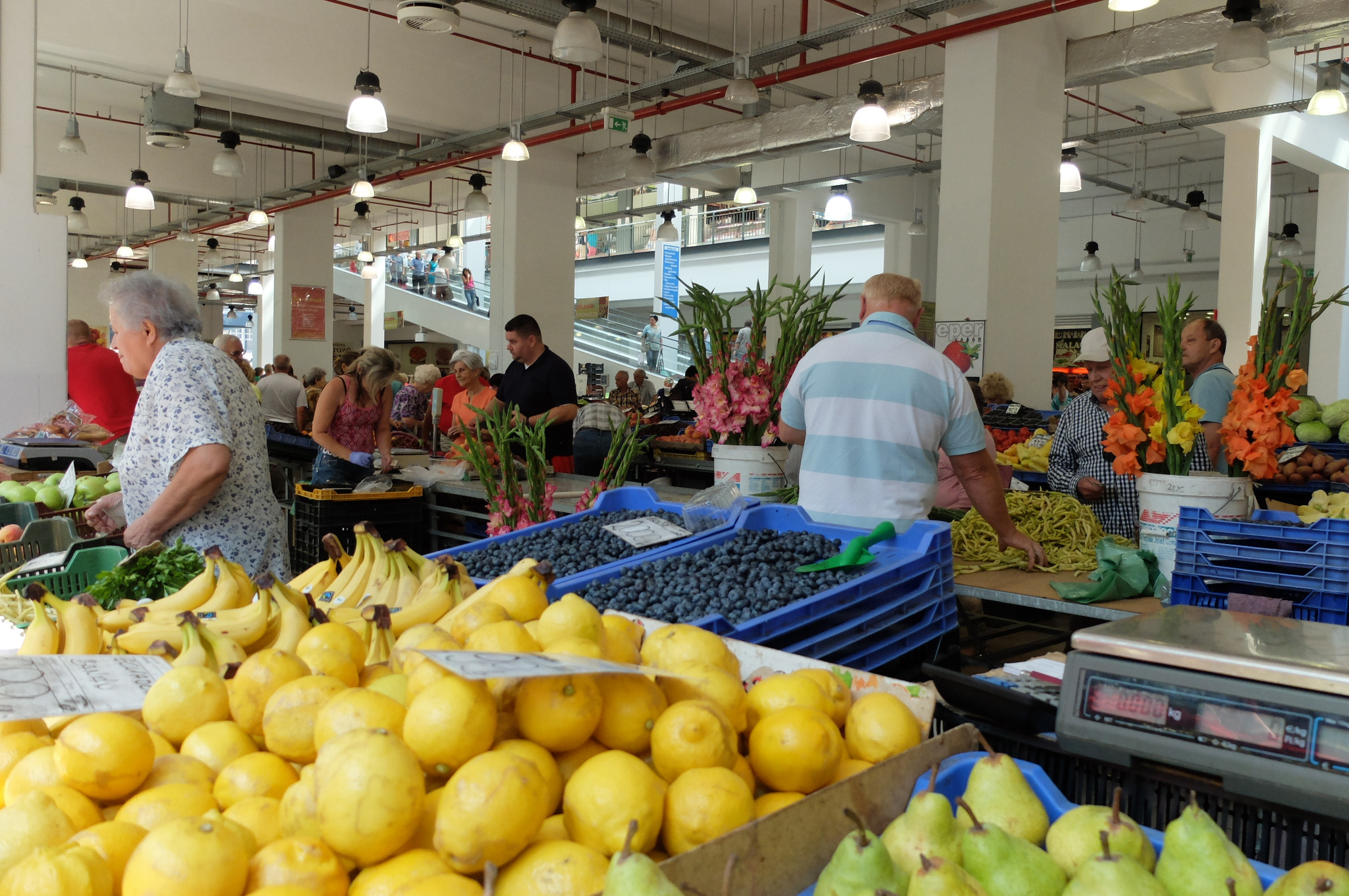
You do not need far‑flung wilderness to find wonder. Design micro adventures that reveal how a place breathes. Wake early for the morning market, track the scent of baking bread, and follow delivery routes rather than headline attractions. Join a commuter ferry, hop a hillside tram, or ride a local bus to the terminus, then meander back on foot. Create a theme walk around street murals, traditional breakfast spots, urban trees, or riverside benches. Visit small museums, maker workshops, libraries, and community theaters where volunteers share context that guidebooks rarely capture. Pack a pocket picnic from the market and map out green corridors to explore at a slow travel pace. Keep your itinerary porous, leaving space for detours, conversations, and quiet observation. Capture notes about smells, textures, and sounds to train your senses beyond the visual highlight reel. Over time, these bite‑sized explorations stitch into a tapestry of place‑based insight that no single marquee site can rival.
Ethics That Shape Encounters
Authenticity without ethics is only performance. Choose community‑based tourism where your spending stays local, supports livelihoods, and respects heritage. Avoid attractions that stage people or wildlife for entertainment, and favor experiences that prioritize animal welfare, environmental care, and informed consent. Practice responsible photography by asking permission, sharing context, and respecting no as an answer. Reduce waste with a refillable bottle, a compact tote, and a small kit for market snacks, then sort your trash as locals do. Use low‑impact transport when possible, and balance longer journeys by staying longer in each place. Bargain respectfully where it is customary, remembering that fair prices sustain craft traditions. Dress with situational awareness, especially near sacred sites, and follow posted guidance without debate. If you volunteer, match real skills to real needs and choose vetted, community‑led projects over feel‑good drop‑ins. Let integrity guide your choices; it builds goodwill and ensures your presence contributes more than it extracts.
Practical Grace On The Road
Every destination carries its own cadence. Travel with flexibility so you can adapt to weather, festivals, closures, or shifting energy. Save offline maps, transit info, and key phrases; carry a small cash reserve for markets and street vendors; and keep important items in a simple, secure setup. Learn the local rhythm of meals and rest so you can find spaces when they are lively rather than staged. Build buffer time between activities to avoid rushing and to create windows for serendipity. When plans change, practice graceful problem‑solving: ask staff for advice, scan community boards, and consider nearby alternatives such as a park, library, or small gallery. Cook a meal with market ingredients in a rental kitchen to taste the region at a human pace. Journal observations, not just highlights, and check in with how you feel, not only what you did. These habits keep your mind clear, your schedule humane, and your curiosity alive.
Carrying It Home
Authenticity is a habit you can nurture long after the trip ends. Bring home the spirit of curiosity, respect, and slow travel by exploring your own backyard with traveler eyes. Seek immigrant‑owned eateries, neighborhood festivals, community gardens, and small theaters that tell layered local stories. Map a weekly micro adventure around a new bus line, a canal path, or a dawn market. Support artisans by buying directly and learning how their work sustains culture. Host or mentor visitors through community groups, trading tips that prioritize ethical choices and mutual learning. Cook recipes you learned, practice language basics, and share prints of portraits with those who welcomed you. Create a small ritual for reflection, whether a photo zine, a sketchbook, or a sound journal that records the hum of your street. By keeping the practice alive at home, you stay ready for the next journey, carrying forward a traveler mindset rooted in presence, reciprocity, and genuine connection.